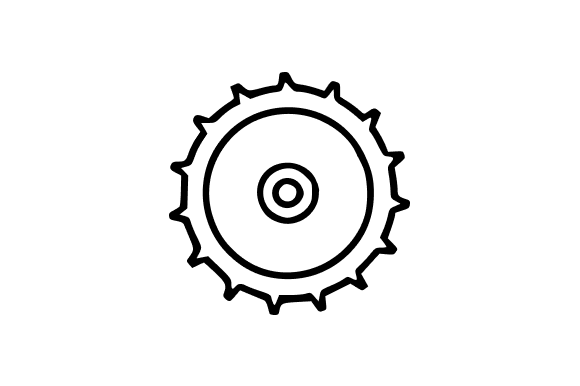
Review: Sketch of a Circular Saw Blade Line Art
As an embroidery designer who has spent years turning digital illustrations into stitched reality, I approach every new download with a mix of curiosity and skepticism. Not every graphic translates well to thread. Some designs look stunning on a screen but become a tangled mess once the needle starts moving. That is exactly why I wanted to share my honest evaluation of Sketch of a Circular Saw Blade Line Art. This piece sits in the Illustrations and Graphics category, but its true potential lies in how it functions as a machine embroidery design for real-world applications.
I recently tested this file with a specific project in mind: creating a rugged, industrial-themed embroidered patch for a custom leather jacket and a matching heavy-duty canvas tote bag. The goal was to create something that felt authentic to the trade—something that spoke to mechanics, carpenters, or DIY enthusiasts without looking like a cheap clip-art sticker. Here is what I found during the stitching process.
The First Impression: Mood and Visual Personality
When you first load Sketch of a Circular Saw Blade Line Art into your digitizing software, the immediate takeaway is its clean, minimalist aesthetic. It does not rely on complex shading or intricate pictorial details. Instead, it leans heavily on strong geometric lines and negative space. For an embroidery designer, this is often a good sign. Complex line art can sometimes result in "thread soup" if the stitch density is too high, but this sketch feels open and breathable.
The mood it creates is utilitarian yet stylish. It evokes a sense of precision and sharpness. Unlike traditional floral or cute motifs, this design brings a bit of edge to the hoop. It feels appropriate for custom apparel that aims for a modern, urban, or workshop-inspired vibe. It is not just a picture of a tool; it is a graphic representation of industry. This makes it highly versatile for craft business owners who want to tap into the maker market without resorting to cliché slogans.
Real-World Performance: From Screen to Stitch
The true test of any embroidery file is how it behaves on fabric. In my testing scenario, I used this design on both a mid-weight cotton twill for a cap and a thick denim for a sweatshirt. The results were surprisingly consistent.
Clarity and Detail
The circular saw blade shape is naturally symmetrical, which helps maintain balance during stitching. Because the original illustration is a line art sketch, the digitized version relies heavily on satin stitch for the outer rim and inner teeth, likely paired with running stitch or light fill stitch for the central hub. On the denim, the contrast was excellent. The threads stood out sharply against the dark weave, giving the product a premium, boutique feel. On the lighter canvas tote, the design maintained its integrity without bleeding into the surrounding fabric.
Product Value and Customer Appeal
For Etsy sellers and small shop owners, visual appeal is everything. A design like this elevates the perceived value of a finished product. Imagine a customer browsing an online store and seeing a simple black t-shirt upgraded with this precise, industrial-style blade. It transforms a basic commodity into a statement piece. It works particularly well for personalized gifts targeting tradespeople. A mechanic receiving a hat with their profession subtly represented by a high-quality blade design will appreciate the thoughtfulness far more than a generic text-based gift.
Versatility Across Categories
This design is not limited to workwear. Its geometric nature allows it to fit seamlessly into various niches:
- Baby Embroidery: Surprisingly, when scaled down and stitched in soft pastels or muted greys, this can work as a unique nursery decor element for parents in construction or engineering, offering a subtle nod to their career.
- Kitchen and Home: It can be adapted for tea towels or aprons in a modern farmhouse setting, especially if paired with rustic fonts.
- Holiday Embroidery: During the holidays, these designs make excellent stocking stuffers or gag gifts for the handyman or woman in the family.
Where to Use Caution: Technical Considerations
While Sketch of a Circular Saw Blade Line Art is robust, no design is perfect for every situation. As a reviewer, I must highlight where this file might struggle so you can avoid costly mistakes.
Small Hoop Sizes
If you are working with a 4x4 inch hoop or smaller, you need to ensure the design is scaled appropriately. The fine lines of the saw teeth can become difficult to distinguish if the overall size is too tiny. The eye needs enough room to see the separation between the teeth. If the stitches are too close together in a small area, they may merge, losing the "line art" effect and becoming a solid blob.
Fabric Texture and Stability
This design looks best on stable, woven fabrics like cotton, denim, or canvas. It is less ideal for highly textured fabrics, such as chunky knits or boucle, where the uneven surface can distort the straight lines of the blade. Similarly, stretchy fabrics like thin jersey require careful stabilization. Without a proper stabilizer, the tension of the fill stitch might pucker the fabric around the circular shape.
Dense Stitch Areas
Check the stitch density in the center of the blade. If the digitization uses too many layers of fill stitch in the hub, it can become stiff and uncomfortable, especially on garments like hats or baby clothes. You want the finished product to remain flexible. Always inspect the underlay stitches to ensure they provide support without adding unnecessary bulk.
Practical Designer Notes for Success
Before you rush to produce hundreds of units for your commercial embroidery inventory, follow these practical steps to ensure quality control:
- Test on Scrap Fabric: Never assume a design will work perfectly on your final material. Stitch it out on a scrap piece of the exact fabric you plan to use. This reveals issues with thread tension or stabilizer choice early.
- Check Thread Color Contrast: Line art relies on visibility. Test different thread colors against your fabric. Black thread on black fabric will disappear, while white thread on white fabric may lack definition. Grey or navy threads often offer a sophisticated alternative to stark black.
- Review in Black and White: View your mockup in grayscale. This helps you assess the balance of light and dark areas. If the design looks muddy in black and white, it will likely look cluttered in color.
- Confirm Licensing: Since this is sold as an Illustration/Graphic, verify the license terms before selling finished products. Some licenses allow commercial use of physical items, while others restrict digital resale or limit the number of units you can sell.
- Inspect Small Details: Zoom in on the digital file. Are the inner lines clear? Is the spacing even? If the source image is blurry, your embroidery will suffer. High-resolution vector files usually yield the best results.
Final Verdict
Sketch of a Circular Saw Blade Line Art is a solid, functional addition to any embroiderer’s library. It is not overly complicated, which makes it accessible for beginners, yet it has enough character to satisfy seasoned professionals looking for niche themes. It performs well on a variety of handmade products, from tote bag design projects to sweatshirt embroidery for local teams.
Its strength lies in its simplicity and adaptability. It allows you to create design assets that feel professional and intentional. Whether you are making a one-off personalized gift for a friend or building a brand identity for your small shop product line, this design offers a reliable foundation. Just remember to respect the technical limitations of fabric and hoop size, and always prioritize quality over speed. When executed correctly, this blade isn't just a decoration; it's a statement of craftsmanship.